
Where Do Old Furniture and Belongings Go? Responsible Recycling
When a home is cleared, many people wonder where everything actually ends up. Here's how furniture and other belongings are handled responsibly after a clearing.
When a home is cleared, a very concrete question often comes up afterwards: where does everything actually end up? The answer isn’t simply “landfill” — most belongings go through several stages before their journey is done.
Four paths belongings take
1. Reuse and resale
Furniture, appliances, and household items in good condition are prioritised for reuse. This can mean sale through a recycling centre or a reseller, where the item gets a new owner as-is.
2. Donation to charity
Usable but less sellable items — clothes, dishes, smaller pieces of furniture — often go to charities or recycling centres, which pass them on or sell them to people who need help.
3. Material recycling
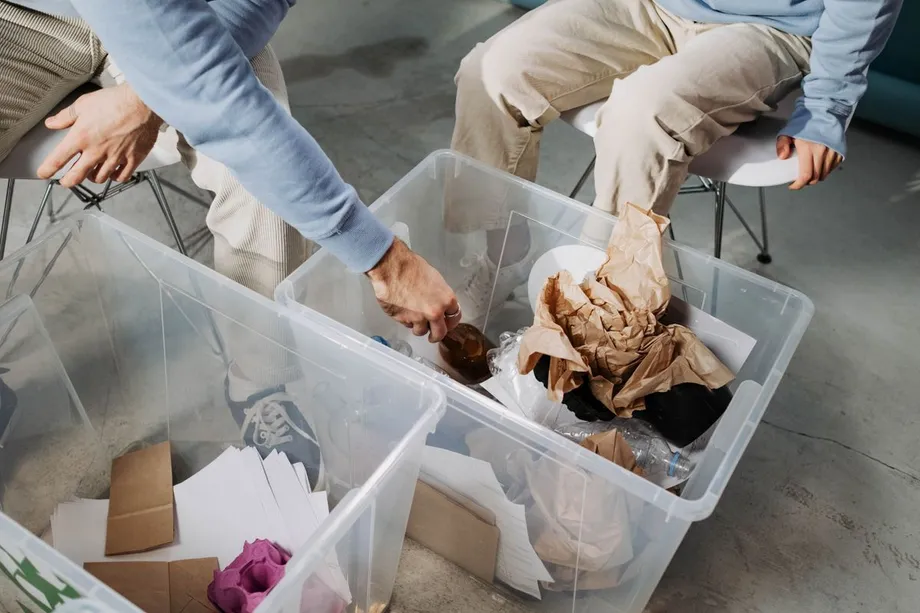
Items that can’t be used as-is are broken down into materials where possible: wood, metal, glass, and textile go into their own recycling streams. An old piece of furniture, for instance, can find an entirely new use through its wood and metal components.
4. Responsible disposal
Only the portion that can neither be recycled nor reused goes to energy recovery or landfill. That’s always the last option, never the default.
How the decision is made in practice
When the clearing team goes through belongings, each item gets a quick assessment: is it sellable, donatable, recyclable as material, or does it need direct disposal. This assessment is based on the item’s condition, demand, and what the local recycling infrastructure accepts at the time.
You can shape this process if you’d like:
- Mark in advance any items you want to go to a specific recipient
- Let us know if something has sentimental value to you, even in poor condition
- Ask for a summary of where the largest batches were delivered
Why responsible handling is worth it
Responsible recycling isn’t just an environmental choice, though it certainly is that too. It’s also a way of making sure usable items genuinely reach further use instead of being needlessly buried in a landfill. For many family members, this matters emotionally too: the thought of a loved one’s belongings continuing to be useful to someone else often feels better than the thought of straight disposal.
Checklist before a clearing
- Any items you’d like to donate yourself to a specific recipient
- Any item with sentimental value to you, even if it isn’t sellable
- Whether you’d like a summary of where items were delivered
- Any items that could potentially be sold — and whether you’d like a share of the proceeds
If it’s specifically furniture that needs removing, read more about furniture removal. For a broader job involving removal and recycling from several sources, removal and recycling is the right service.
Responsible handling doesn’t require any extra effort from you — just tell us your preferences in advance, and we’ll take care of the rest.