
Handling Estate Affairs Step by Step – What Family Members Should Do
After losing a loved one, the amount of matters that need to be handled can be overwhelming. Bank accounts, insurance, documents, property appraisal, the property itself, and years of accumulated belongings easily become one large, complex whole. Yet not everything needs to be resolved in the same week.
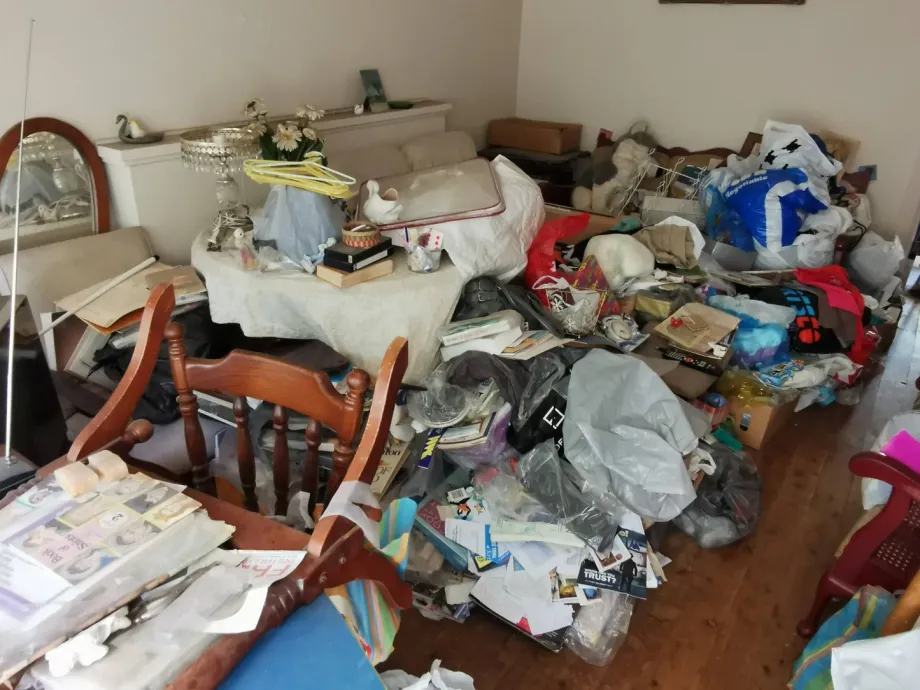
Breaking down estate matters into manageable steps helps reduce overwhelm
Not everything needs to be resolved in the same week.
The most practical approach often involves separating:
- important documents and personal items
- estate asset inventory
- property appraisal
- decision on items to keep versus sell
- property clearing
- final cleaning and property preparation for the next step.
The property appraisal must normally be completed within three months of death. The appraisal serves as both an asset and liability inventory and forms the basis for inheritance tax assessment.
1. Don’t start clearing with trash bags
The first practical piece of advice is simple: don’t throw things away too quickly.
A property may easily contain items set aside but later important:
- will
- bank and insurance documents
- property-related papers
- keys
- jewelry and watches
- photographs
- letters
- collectibles
- valuable design pieces
- digital devices and storage media.
An item that doesn’t appear valuable might actually be worth something. Conversely, a high original purchase price doesn’t mean the used item has retained much resale value.
This is why the first pass through the property should be done carefully.
2. Clarify who makes decisions about the estate
If there are multiple estate heirs, property decisions should not be made by one person alone. According to Suomi.fi, selling estate property generally requires the consent of all heirs.
In practice, things go much more smoothly if the heirs agree on:
- who will be the main contact person
- which items each person wants to keep
- what needs to be appraised
- what can be sold
- when the property can be cleared.
This also allows the clearing service to receive one clear assignment.
3. Determine the value of belongings before everything is removed
The appraisal records the deceased’s property at fair market value—essentially the likely selling price at the time of death. The Tax Administration mentions expert appraisals and comparable sales as possible ways to determine value.
In addition to typical household items, special attention should be paid to:
- jewelry
- precious metals
- artwork
- design pieces
- collectibles
- valuable watches
- unusual furniture.
The clearing service’s role is not to replace the property appraiser or specialist valuers. If there is uncertainty about an item’s value, it should be separated from items to be cleared before work begins.
4. Clearly mark items that must not be removed
As the property clearing approaches, create a simple division:
KEEP
APPRAISE / SELL
CAN REMOVE
A good practice is to move items to be retained to one room or mark them clearly.
This reduces questions during the work and makes the assignment significantly faster.
5. Decide what happens to the property next
The goal of clearing depends on what will happen to the property afterward.
It makes a difference whether you’re leaving the property:
- completely empty
- empty and cleaned
- ready for real estate agent photography
- ready for transfer
- ready for renovation.
When the goal is clear before work begins, clearing and any final cleaning can be arranged as one complete project.
Can estate clearing be handled if you live elsewhere?
In many situations, yes.
Once items to be kept and the assignment details have been agreed upon, key handover or collection can be arranged separately and the family member doesn’t necessarily need to be present throughout the work.
This is especially useful when the estate property is located in a different city than the heirs.
In summary
In estate clearing, urgency often comes from property sales, lease agreements, or ongoing costs. Yet it’s worth proceeding carefully with valuable, personal, and document-related items.
Once items to be kept are separated, the actual clearing can usually be handled much more straightforwardly.
Do you need property clearing and cleaning?
The clearing service can handle agreed-upon item removal, carrying, transport, recycling, and if needed, cleaning.
Send photos of the property and request a written quote.