
Valuables, Documents and Sentimental Items – How They're Handled
Before anything is removed, we always go through the whole home looking for valuables, documents, and sentimental items. Here's exactly what we look for and why this step matters so much.
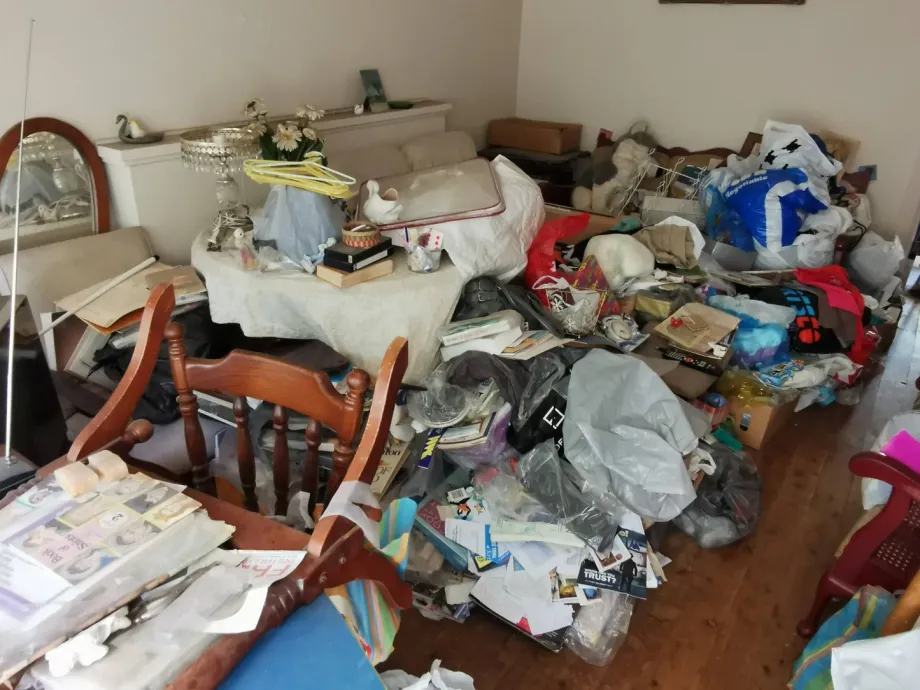
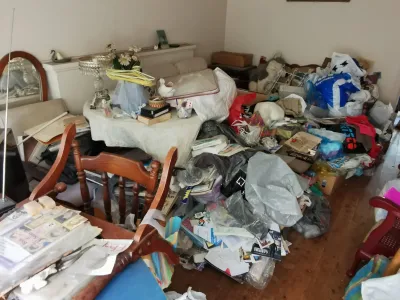
This is the most sensitive and important step in the whole clearing process. A home can hold papers, jewellery, and objects accumulated over decades, and their significance isn’t always known even to a family member. That’s why this step is always done calmly and carefully, before anything else proceeds.
What we look for before sorting the rest of the belongings
Valuables and jewellery
We check the typical hiding places: bedside table drawers, wardrobe pockets, chests of drawers, gaps behind bookshelves, and kitchen cupboards. Jewellery and other small valuables often turn up in unexpected places, so this step is done carefully, not in a hurry.
Important documents
We look for things including:
- Wills and prenuptial agreements
- Bank and insurance documents
- Ownership papers for property and shares
- Identity documents and official paperwork
- Old photographs and correspondence, which can carry sentimental value even without financial value
Sentimental items
We don’t assume what matters to a family — so we also set aside items that might look modest but could be meaningful: handwritten cards, family photographs, handicrafts, and other personal items.
How anything found is handled
- Set aside separately — everything found is gathered into its own, labelled holding area, kept apart from the rest of the belongings
- Documented — where useful, we photograph what’s found, especially if the family isn’t present
- Handed to the agreed person — items and documents are always handed to the agreed family member or estate administrator, never to a third party without permission
- Only then does the rest continue — sorting and removing the remaining belongings doesn’t begin until this step is fully complete
Checklist: what’s worth checking yourself in advance, if you have time
If you get a chance to go through the home before the clearing, these places are especially worth checking:
- Bedside table and desk drawers
- Wardrobe pockets and gaps between shelves
- Papers or envelopes left between the pages of books
- The kitchen “junk drawer” and the backs of cupboards
- Safes, locked drawers, or hidden storage spots
- Old envelopes, folders, and binders that might hold documents
If you don’t have time or aren’t able to go through these yourself, that’s not a problem — we do it for you as part of the clearing.
Why this step always comes first
When valuables and documents are handled separately before the rest of the sorting, nothing important accidentally ends up in recycling or disposal. It’s also why we never start a clearing on a straight “everything goes” basis, no matter how tight the schedule.
If you’re an estate beneficiary wondering in what order everything else should be handled, also read our checklist for estate beneficiaries.