
When Should You Clear an Estate? What to Consider First
An estate property sometimes needs to be cleared quickly. Yet the entire property shouldn't be automatically cleared right after the death. Before undertaking major clearing, it's wise to ensure you're not simultaneously losing assets or information still needed.
The key question in estate clearing isn’t just when, but what has already been determined
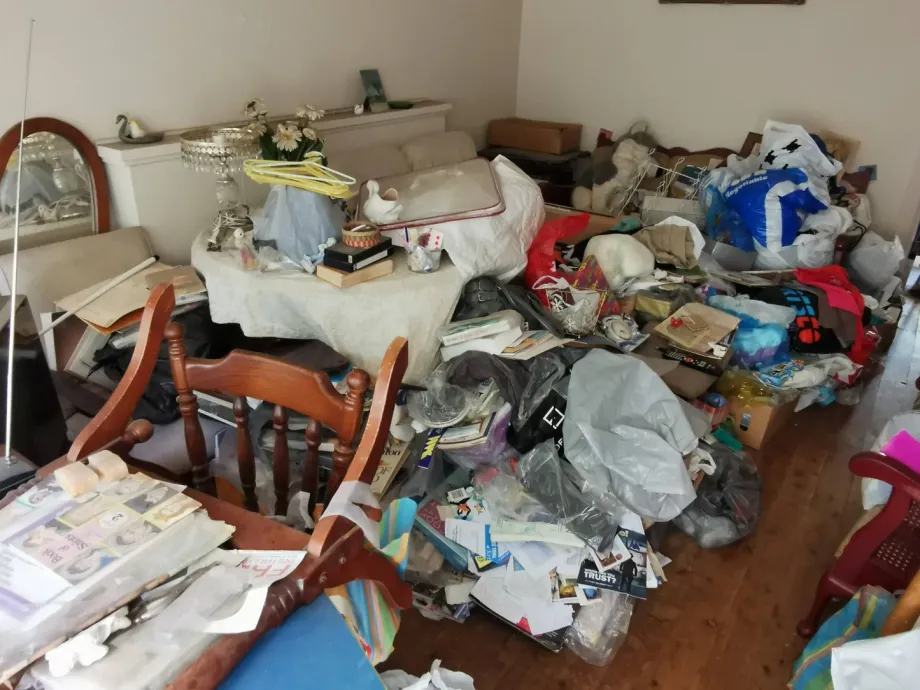
An estate property sometimes needs to be cleared quickly. Rent continues to accrue, maintenance fees run, or the property needs to go on the market.
Yet the entire property shouldn’t be automatically cleared right after death.
For the property appraisal, a sufficient picture of the deceased’s assets and debts must be formed, and assets are valued at their fair market value on the date of death.
This is why before undertaking major clearing, it’s wise to ensure you’re not simultaneously losing assets or information still needed.
What should be done before clearing?
Before the clearing company arrives, review at least these matters:
Important documents
Search for the will, bank and insurance documents, property-related papers, and other documents needed to settle the estate.
More valuable assets
Jewelry, watches, artwork, design pieces, collectibles, and other potentially valuable items should be reviewed separately.
Items with sentimental value
Photographs, letters, memories, and items kept within the family should be separated from items to be removed.
Estate heirs’ decision
If there are multiple heirs, property-related decisions are made together. Suomi.fi reminds us that selling estate property generally requires the consent of all heirs.
Does the property appraisal need to be completed before clearing?
Situations vary, and practical clearing itself is not the same as inheritance division.
However, avoiding premature disposal or division of assets is wise.
Yle has highlighted in expert interviews the very risk that estate property begins to be divided before the appraisal and asset inventory are in order.
If clearing must be done quickly due to rental costs, a safe practical solution might be to first:
- document the property’s contents
- separate important and potentially valuable items
- agree with heirs what can be removed
- give the clearing service clear instructions.
If the legal situation is unclear, it’s wise to ask the property appraiser or a lawyer before items are disposed of.
What should you tell the clearing service?
A good assignment is straightforward.
Tell them, for example:
- what stays in the property
- what is being removed
- whether storage areas or basement are included
- if cleaning is needed
- whether keys should be collected
- when the property needs to be ready.
After that, the service can be completed without the family member needing to answer constant minor questions during the work.
Summary
An estate property shouldn’t be thought of only as belongings that need to be removed.
First, it’s worth clarifying what belongs to the estate and what needs to be preserved. After that, clearing can be done quickly and in an organized manner.
Once items have been reviewed and you know what can be removed, we can handle the rest.