
Advice for Families: Dividing, Donating, Selling and Recycling a Loved One's Belongings
Who gets what, what should be sold, and what should be recycled? Here's a practical framework that makes shared decisions easier for a grieving family.
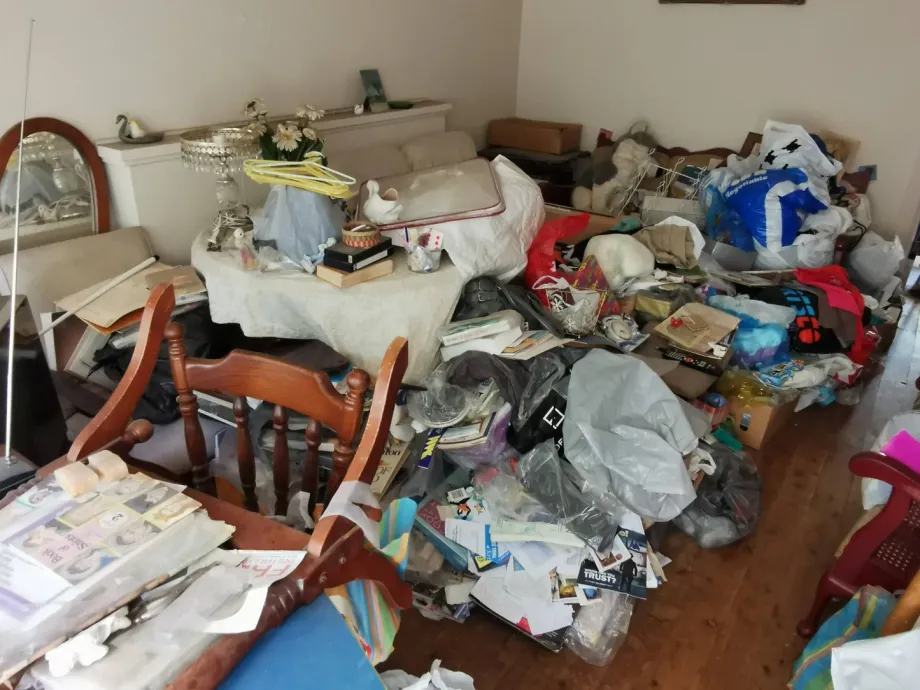
A loved one’s home is full of objects that can mean different things to different family members. To one person, the old bookshelf is just furniture; to another, it’s the most important memory of a childhood home. It’s worth making the practical decisions — who gets what, what’s sold, what’s donated, what’s recycled — in a structured way, so that grief itself doesn’t get tangled up with unnecessary disputes over belongings.
Start by sorting into three broad groups
Before deciding what happens to each individual item, it’s easier to split the whole estate into three larger categories:
- Clearly sentimental or valuable items — jewellery, photographs, art, heirlooms, important documents. Go through these calmly, usually together as a family.
- Useful but not particularly sentimental property — furniture, appliances, tableware, tools. Most decisions about these can be made quickly and practically.
- Everything else — outdated or broken items with no remaining use. These go straight to recycling or disposal.
Once that split is done, the remaining sentimental group usually takes the most time — and that’s entirely normal.
Practical ways to divide sentimental items
- Agree on a shared turn-taking order. Each sibling or beneficiary picks one item in turn, until the most important pieces have been covered.
- Write down preferences in advance. Everyone can note what they’d like before the family discusses it together, which reduces the chance of an emotional flashpoint in the moment.
- Bring in a neutral third party if it helps. In some families it helps to have, for example, the estate administrator or another neutral person present when the most valuable items are being decided.
- Photograph anything that can’t be physically shared. A single photo album, for instance, can be digitised so several family members can each have their own copy.
When to sell, donate or recycle
Not everything needs to — or can — be kept. Here’s a simple checklist to guide the decision:
- Sell if an item has clear resale value and no one in the family wants it.
- Donate if something is in good condition but not especially valuable — furniture, clothing and tableware often go on to a good second life through charities.
- Recycle if an item is broken, outdated, or otherwise unusable. Our removal and recycling service handles this step in one visit, sorted correctly.
- Keep if an item holds real sentimental value for someone in the family — in that case, it’s worth finding it a proper place, rather than shelving it “to decide later”.
When the family doesn’t live in the same city
These days it’s common for siblings to live in different cities, or even different countries. In that case, decisions can be made remotely: we send photos of items, and the family can discuss and decide together by phone or message before anything is removed. That way, no one has to make decisions alone just because they happen to live closer.
Once everything is decided
Once the family has gone through the sentimental items and made decisions about the rest, we handle the practical work: removal, sorting, and responsible recycling or disposal. Many families find it a relief to have this stage handled professionally, without anyone having to carry heavy furniture or arrange transport in the middle of an already difficult time.