

A Clearing Service for Estate Administrators and Lawyers – How the Collaboration Works
When clearing is carried out as part of administering an estate, an estate administrator or lawyer needs to know that scheduling, invoicing and documentation will be handled reliably without extra coordination. Here's how the collaboration works in practice.
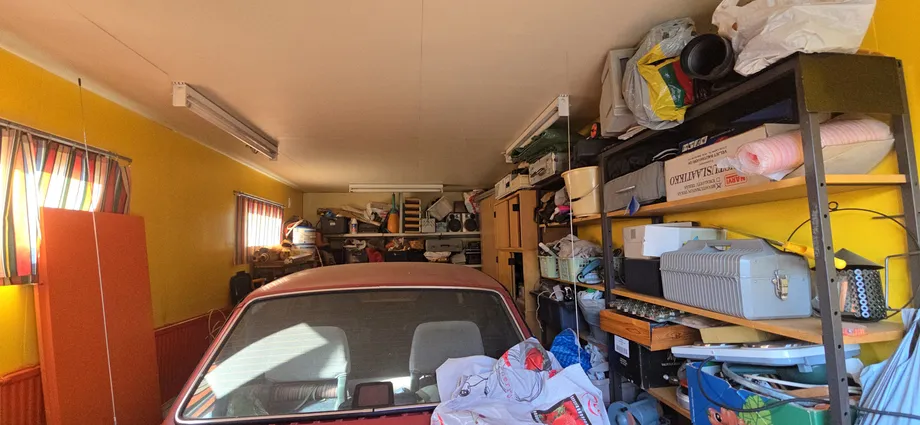
Estate clearing is often just one part of what an estate administrator or lawyer is responsible for, but it’s a part that needs practical coordination: who gives permission, when the clearing can happen, how it’s documented, and who pays the invoice. This article covers how working with a clearing service fits smoothly into estate administration.
Why it pays to outsource clearing as part of estate administration
An estate administrator’s or lawyer’s time is better spent on legal and administrative work — not coordinating the physical clearing hour by hour. When clearing is outsourced to a reliable partner, the whole process runs on a single agreement: scheduling, invoicing and documentation are clear from the start, and the administrator doesn’t have to act as a go-between on every detail.
How the collaboration works in practice
1. Contact and defining the scope
Contact can come from the estate administrator, the lawyer, or an heir acting with the administrator’s authorisation. We agree immediately on who the official point of contact is for the duration of the clearing — this avoids a situation where several heirs give conflicting instructions.
2. A written quote and schedule
We provide a written quote showing the scope of work, price and estimated schedule. The schedule is fitted around the estate’s other deadlines — such as the estate inventory — so the clearing doesn’t happen too early or too late relative to other steps.
3. Handling valuables and documents
This matters especially from an estate-administration perspective. All valuables, jewellery, cash and documents are set aside separately and handed to the agreed contact before the rest of the belongings are dealt with — this is documented on request.
4. The clearing itself
The clearing takes place at the agreed time. Where useful, we send before-and-after photos, which is especially helpful when heirs can’t be present themselves.
5. Documentation and invoicing
Once the work is complete, we provide a summary of what was done and an invoice to the agreed recipient — the estate, the estate administrator, or the law firm. The invoice is itemised so it can be used directly in the estate’s bookkeeping and administration.
What the estate administrator or lawyer gains from this
- A single point of contact: no need to coordinate several different providers (clearing, recycling, cleaning) separately.
- Clear documentation: the clearing summary supports estate administration and transparency towards the heirs.
- Coordinated scheduling: clearing is timed around the estate’s overall schedule, not the other way around.
- Fewer conflicts between heirs: with a clear point of contact, ambiguity is reduced.
Checklist for starting the collaboration
- A designated point of contact for the duration of the clearing
- A written quote and estimated schedule
- Agreement on how valuables and documents will be handled
- An agreed invoicing address (the estate, the firm, or another party)
- Agreement on whether documentation of the work is needed
Summary
A clearing service doesn’t need to become an extra coordination burden for an estate administrator or lawyer — when roles, scheduling and invoicing are agreed clearly from the outset, clearing happens reliably in the background, alongside the rest of the estate administration.
Read more about how we work with estate administrators and lawyers on our page for professionals, or see our estate clearing service.